
Rebuilding Los Angeles Post-Wildfires: Balancing Urgency with Sustainability
- Aaren Amitabh Parekh
- Jan 27, 2025
- 3 min read
Updated: Jan 28, 2025
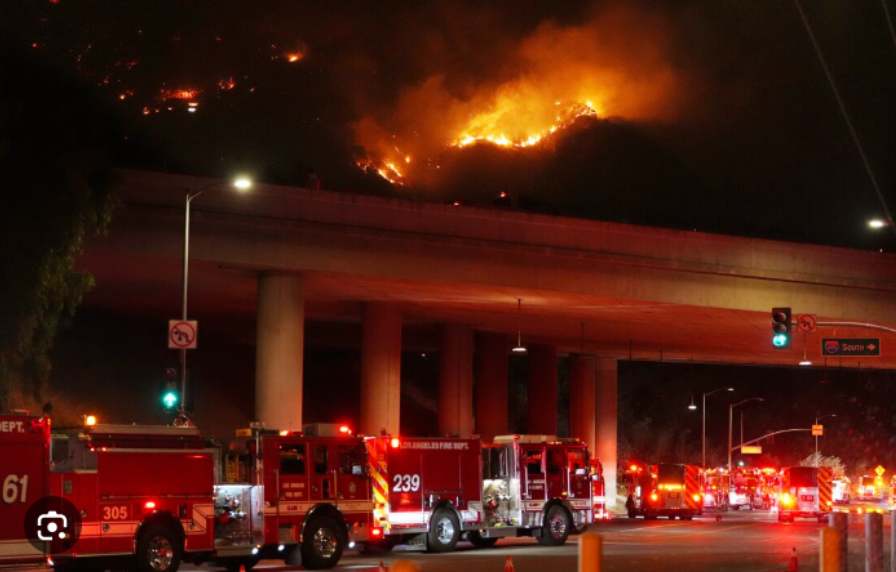
In the aftermath of the devastating wildfires that swept through Los Angeles in late 2024, the city faces the monumental task of reconstruction. A $2.5 billion relief package, endorsed by Governor Gavin Newsom, aims to expedite rebuilding efforts, with a target completion before the 2028 Olympics. While the urgency to restore normalcy is understandable, experts in environmental and urban planning advocate for a more measured approach to ensure long-term resilience and sustainability.
THE GUARDIAN
Environmental and Urban Planning Concerns
Rapid reconstruction in fire-prone areas without significant changes to existing practices may lead to repeated destruction. Char Miller and Stephanie Pincetl, authorities in environmental analysis and urban planning, emphasize the need for strategic planning to mitigate future wildfire risks. They propose several measures:
Densification: Building more densely can reduce the urban footprint in vulnerable areas, thereby minimizing exposure to wildfires.
Buffer Zones: Establishing defensible spaces between urban developments and wildland areas can act as firebreaks, reducing the likelihood of fires spreading into residential zones.
Land Use Transformation: Converting high-risk residential areas into recreational spaces or green belts can serve dual purposes—providing community amenities while reducing the risk to human life and property.
Implementing these strategies requires comprehensive urban planning and community engagement to balance immediate housing needs with long-term safety and environmental sustainability.
Equity and Social Considerations
Reconstruction efforts often inadvertently exacerbate social inequalities. Miriam Greenberg, a sociologist specializing in urban studies, highlights that marginalized communities frequently suffer the most from inadequate reconstruction. These populations may lack the resources to rebuild or may be excluded from decision-making processes, leading to displacement and long-term socio-economic challenges. Ensuring that rebuilding efforts are inclusive and equitable is crucial. This involves:
Community Participation: Engaging local communities in planning and decision-making processes to ensure that reconstruction meets their needs and preserves cultural and social networks.
Affordable Housing: Prioritizing the development of affordable housing to prevent displacement and support socio-economic diversity.
Resource Allocation: Ensuring that relief funds and resources are distributed fairly, with particular attention to vulnerable populations.
Regulatory and Environmental Implications
The decision by Governor Newsom and Mayor Karen Bass to suspend certain environmental regulations to expedite rebuilding has raised concerns among environmentalists and urban planners. While the intention is to facilitate rapid reconstruction, there is a risk that bypassing environmental assessments could lead to unsustainable development practices, increased vulnerability to future wildfires, and long-term ecological damage. Experts recommend a balanced approach that:
Maintains Environmental Standards: Ensures that rebuilding efforts comply with environmental regulations to protect ecosystems and reduce future disaster risks.
Incorporates Resilience Principles: Integrates sustainable design and construction practices that enhance the ability of structures and communities to withstand wildfires and other natural disasters.
Promotes Transparency: Engages stakeholders in transparent decision-making processes to build public trust and ensure accountability.
Conclusion/ Personal Take
The rebuilding of Los Angeles after the wildfires feels like more than just an urgent need to restore what was lost—it’s a chance to completely rethink how we build cities in the face of natural disasters. For me, it’s not just about fixing the damage but using this moment to create a city that prioritizes resilience, sustainability, and equity in every way. It’s a chance to learn from the past, to take what we’ve seen and experienced with these wildfires, and rebuild with smarter, more thoughtful planning.
I believe that if we do this right, Los Angeles can become a model for sustainable urban development, not just for fire-prone regions but for cities around the world. It’s about looking at this devastation and seeing not just loss but opportunity—a chance to rebuild stronger, better, and more sustainably than before.


Comments